A Designer’s Review of the Watch Band Jig Laser Cut SVG
Let’s be honest: most of us who design and sell embroidered goods have a folder full of digital files we’ve never actually used. We buy on impulse, inspired by a clever concept, but then we hesitate. Is it worth the hoop time? Will it stitch out cleanly? Will a customer actually want it on a product? I approach every new design with that pragmatic lens, and today I’m putting the Watch Band Jig Laser Cut SVG under that microscope. This isn’t a product description; it’s a practical design judgment from someone who needs files to perform in real projects.
The First Impression: A Clever & Functional Graphic
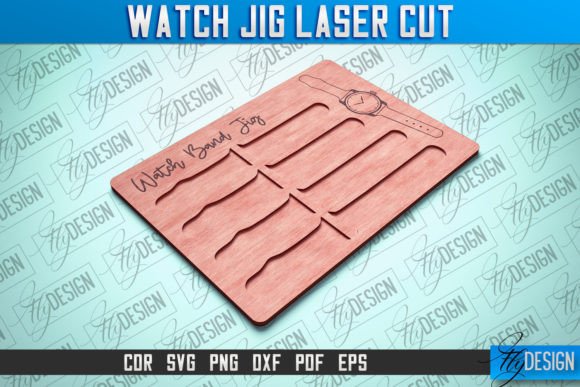
My initial reaction to this design was a nod of appreciation. It’s a functional graphic. It doesn’t scream “art” or “decoration”; it communicates a specific, useful purpose with clean lines and a straightforward layout. The theme is instantly recognizable—a template or guide, clearly meant for crafting or teaching. This gives it a distinct personality: educational, precise, and slightly industrial. It feels like it belongs on items for makers, teachers, engineers, or students. The mood is practical and instructive, not whimsical or purely decorative. For an embroidery designer, that’s a valuable niche. It’s not a floral motif you’d slap on every tote; it’s a specialized design with a clear target audience.
Where This Design Shines in Real Embroidery Projects
Imagining this design stitched out, I immediately think of practical applications. Its clarity and subject matter make it perfect for personalized gifts with a purpose. Picture a custom embroidered apron for a woodworking teacher, a tool tote bag for a craft studio owner, or a durable patch on a workshop apron. The graphic would resonate deeply there.
For small shop merchandise, especially for businesses selling laser-cut or CNC products, this could be a brilliant branding element on staff uniforms or promotional items. Embroidered on the breast of a polo shirt, it subtly communicates the company’s craft. As a large centerpiece on a heavyweight sweatshirt, it becomes a statement piece for a maker community. I also see strong potential in holiday gifts for that special teacher or mentor—a beautifully embroidered pillow cover or tea towel with this design feels considered and uniquely appropriate, far beyond a generic gift.
The clean lines suggest it would stitch out very well as an embroidered patch, which could then be applied to bags, jackets, or caps. Because the design is more linear and symbolic than densely filled, it could maintain excellent stitching clarity even on textured fabrics like canvas tote bags or denim aprons, provided a good stabilizer is used. In a digital product preview or printable mockup for an Etsy listing, this design would look professional and clear, boosting customer trust in the finished product’s quality.
Considerations for Successful Stitching
However, no design is universally perfect, and a practical reviewer has to point out where caution is needed. The success of an embroidery file like this hinges on its detail level. Without knowing the exact provided file specifications, some general embroidery designer notes apply.
- Small Details & Lettering: If the design includes any tiny text or intricate corner details, these can become problematic on stretchy fabric like t-shirts or on curved surfaces like caps. Test on scrap fabric first.
- Stitch Density: Assess the potential fill areas. Very dense stitching on thin fabric can cause puckering or a stiff finish, unsuitable for baby clothes or lightweight blankets.
- Fabric Background: The contrast between the design lines and the fabric is key. On dark fabric, you’ll need to plan your thread colors strategically to maintain visibility, perhaps using lighter shades for the engraved (black line) elements.
- Hoop Size & Stabilizer: Always confirm the design’s required hoop size from the seller. For a potentially wider design like a jig template, a larger hoop may be necessary. A proper stabilizer is non-negotiable to keep those clean lines crisp, especially on items that need frequent washing, like kitchen towels or aprons.
How This Design Adds Value to Your Work
From a business perspective, incorporating this design into your portfolio does more than just add another graphic. It enhances your brand consistency if you cater to a maker or educational audience. It increases the giftability of your products by offering truly niche, thoughtful options. For the end customer, a well-executed embroidery of this on a handmade product conveys professionalism and recognition—they feel you understood their passion or profession.
The design’s straightforward visual appeal translates directly into product value. It looks intentional and skilled when stitched, which boosts buyer engagement for your Etsy listings or craft fair products. It’s a design that tells a story, which is a powerful tool for creative entrepreneurs.
Final Practical Steps Before You Hoop It
Before you commit this to a client’s custom apparel or your next batch of boutique products, do your due diligence. My routine is simple:
- Check the provided file formats and your machine embroidery compatibility. The product description mentions SVG and CNC, so ensure your software and machine can properly interpret the cut and engrave lines for embroidery purposes.
- Run a test on scrap fabric similar to your target material. Examine the small details and the overall stitchout.
- Review it in both black and white digital mockups against light and dark backgrounds to plan your thread palette.
- Crucially, confirm the licensing terms. Can you use it for commercial embroidery projects, selling the finished physical items? Or is it for personal use only? This is essential for digital product sellers and apparel decorators running a business.
The Watch Band Jig Laser Cut SVG is a thoughtfully conceived graphic that fills a specific need in the crafting world. As an embroidery designer, I see its potential not as a flashy trend, but as a reliable, purpose-driven design that can elevate a targeted product. With careful testing and application, it can become a valuable asset in your toolkit for creating meaningful, well-crafted goods.